Rooted in the prairie

A life shaped by attention to land and place

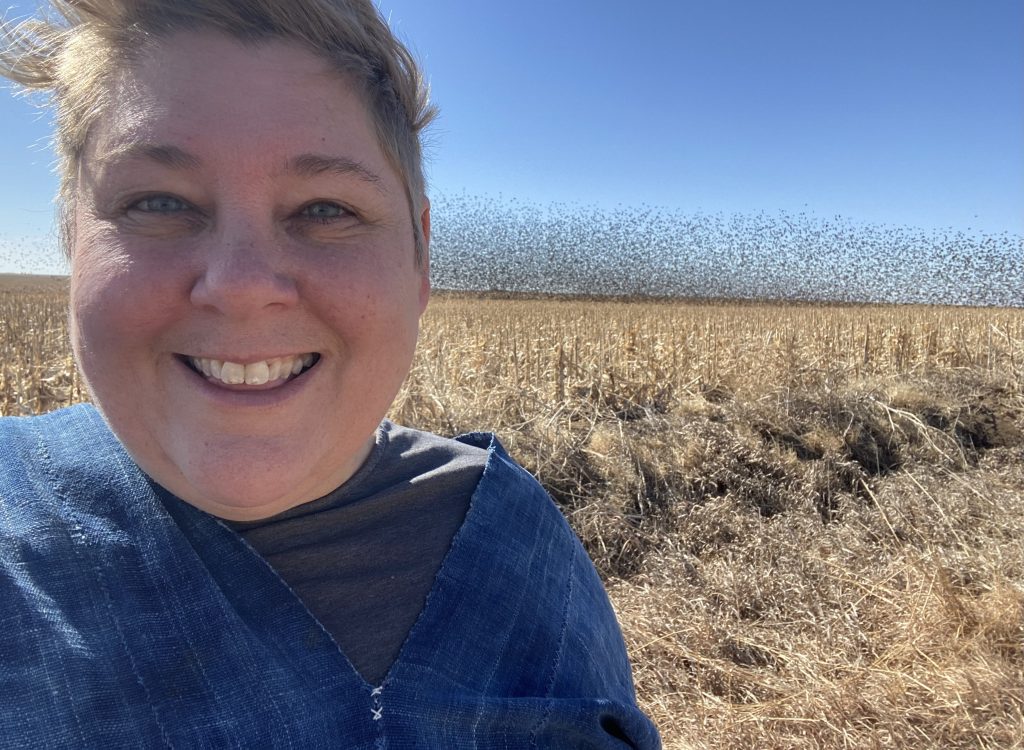
I am a fifth-generation Kansan, shaped by a family farming heritage and a life lived in close relationship with the land.

Those who live on the prairie learn to pay attention. We notice the geese migrating, sense thunderstorms forming on the horizon, and watch for the turning of the cottonwoods. 

I grew up knowing this landscape, but left as an adult and felt a visceral disconnect. When I returned home years later, it was a time when things were changing and falling away.

I wanted to know the land again and turned to a practice of sacred solitude.

Prairie Anchoress

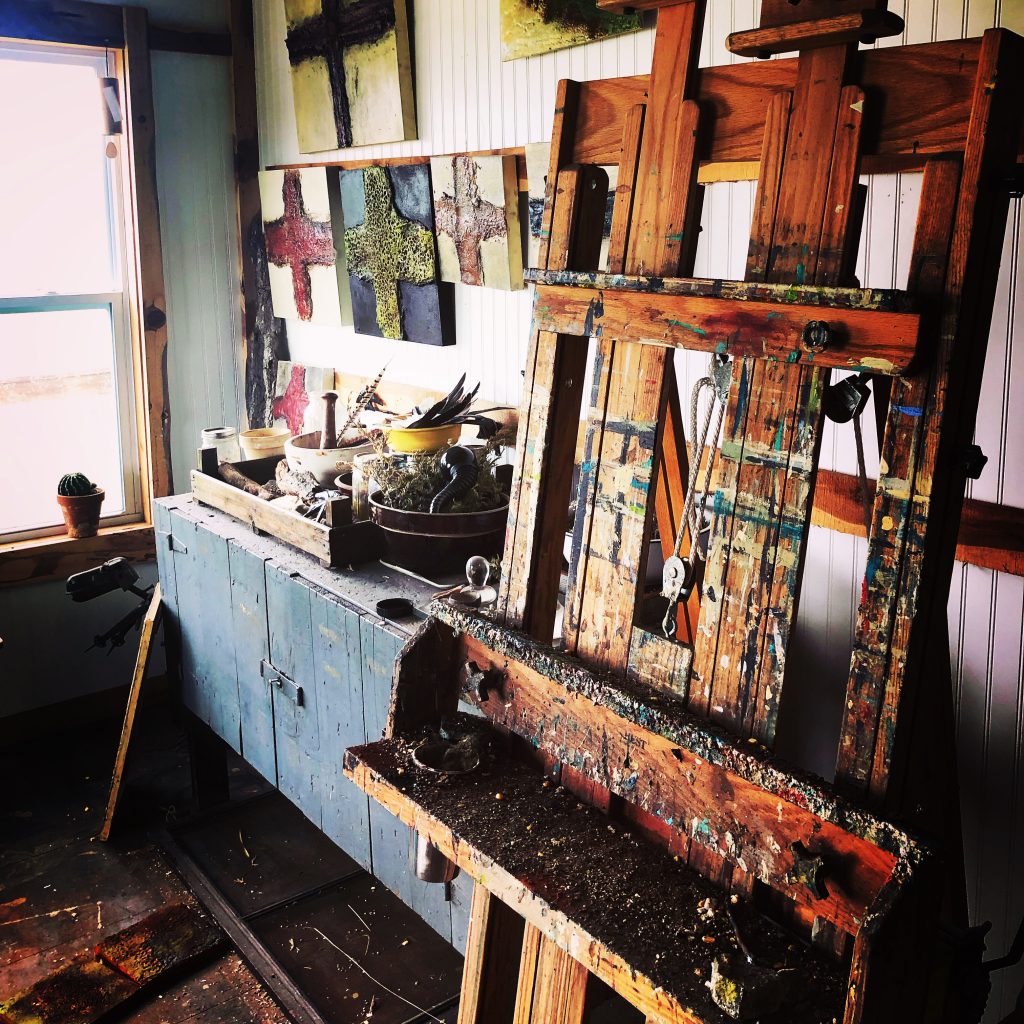
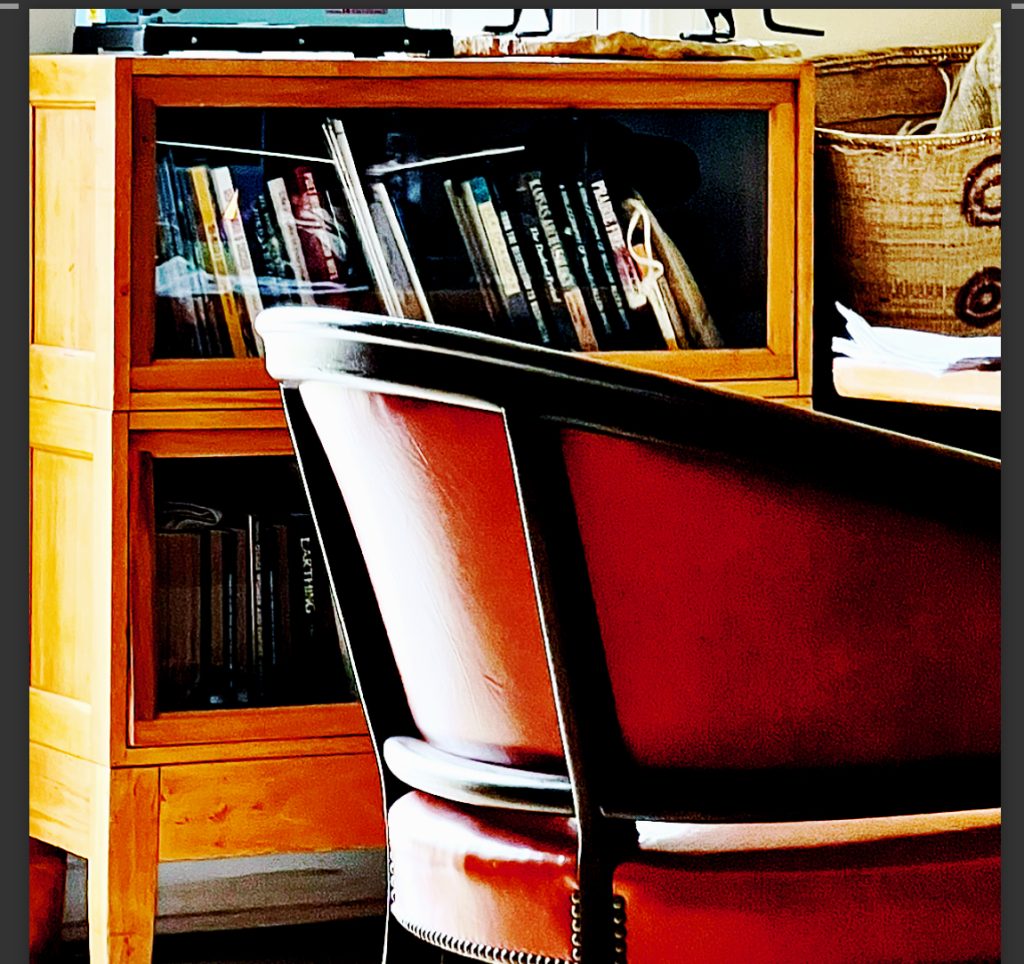
In a red barn, I built a small anchorhold in the spirit of Julian of Norwich, a medieval mystic who withdrew into a single room to attend to the deeper questions of life. Women who lived this way were known as anchoresses.

I returned there as often as I could.

From the window, I watched the grasslands stretch toward the horizon, wondering at the quiet movement of things leaving and returning.

My Practice

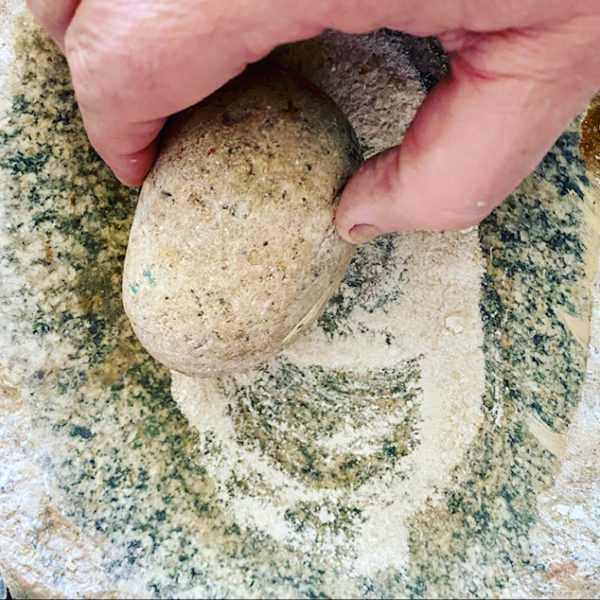
In the solitude of my anchorhold, I use a nature-based art practice to help me understand the divine at work in the world around me. Great teachers emerged in tumbleweeds, fossils, murmurations, storms, the cosmos, rivers, and even carrion. 

Using natural materials in art revealed quiet truths. Nothing in nature is ever alone, and neither are we.

ERODING LIMESTONE speaks of impermanence.

INDIAN GRASS holds the energy of dark soil.

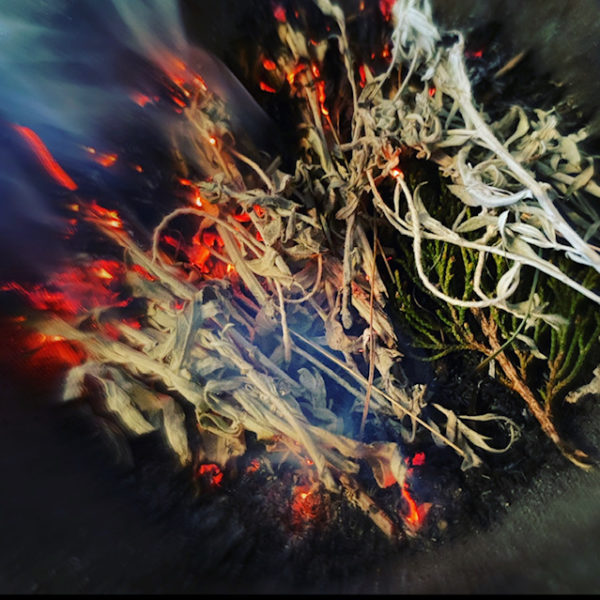
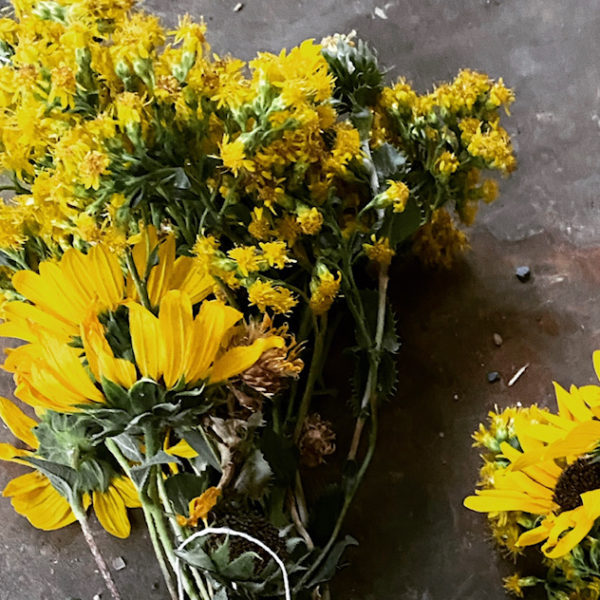
WILD SAGE embodies hundreds of suns and moons.

RIVER SILT tells land stories.

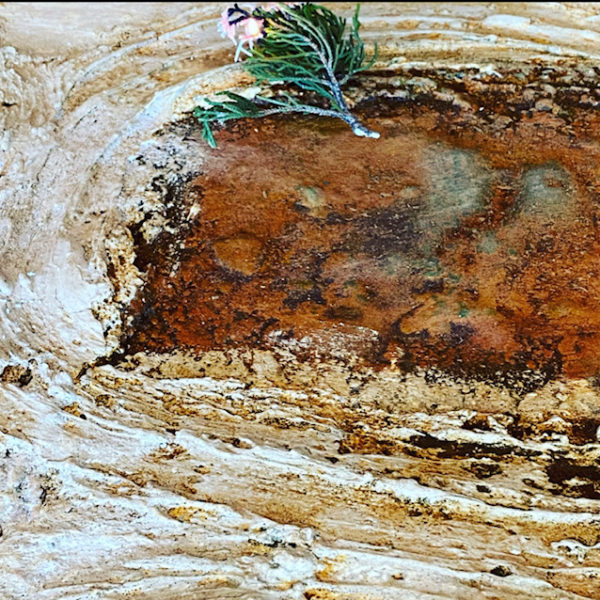
RUST wants us to know time is fleeting.

RAINWATER holds the power of wind and storm.

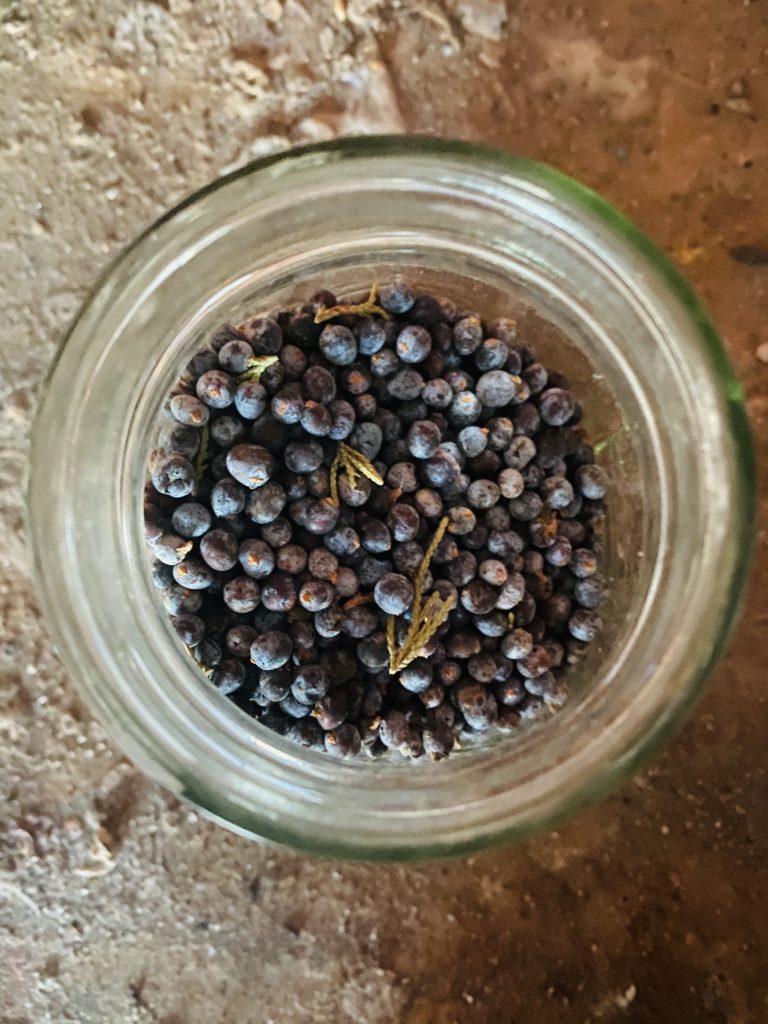
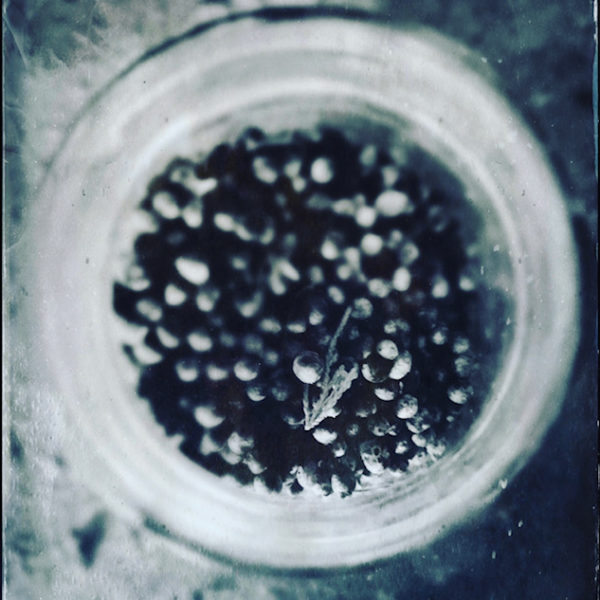
CEDAR BERRIES represent eternity and protection.

WHEAT promises that small things can become great.

WIND, STORM, MOONLIGHT AND SUNLIGHT envelop the art, help create it.

Anchoress Reimagined

The anchoress tradition is a thousand years old. The term comes from the Greek anachoreo, meaning “to withdraw.” Between the 12th and 16th centuries, hundreds of women across Europe embraced this life, enclosing themselves in small rooms called anchorolds, usually attached to a church.

Much of their personal stories have been lost, except for Julian of Norwich. She was the first woman to write a book in English. The Revelations of Divine Love is regarded as a spiritual masterpiece. 

Anchoress is not a definition we can hold firm to medieval standards. It must evolve, because modern life rarely allows for permanent withdrawal.

But the principle remains: uninterrupted solitude and spiritual attention open the door to wisdom.

An anchorhold might be a she-shed, a closet, or the space by your favorite window. It is a place of your own, and it’s yours, for however long you need it.